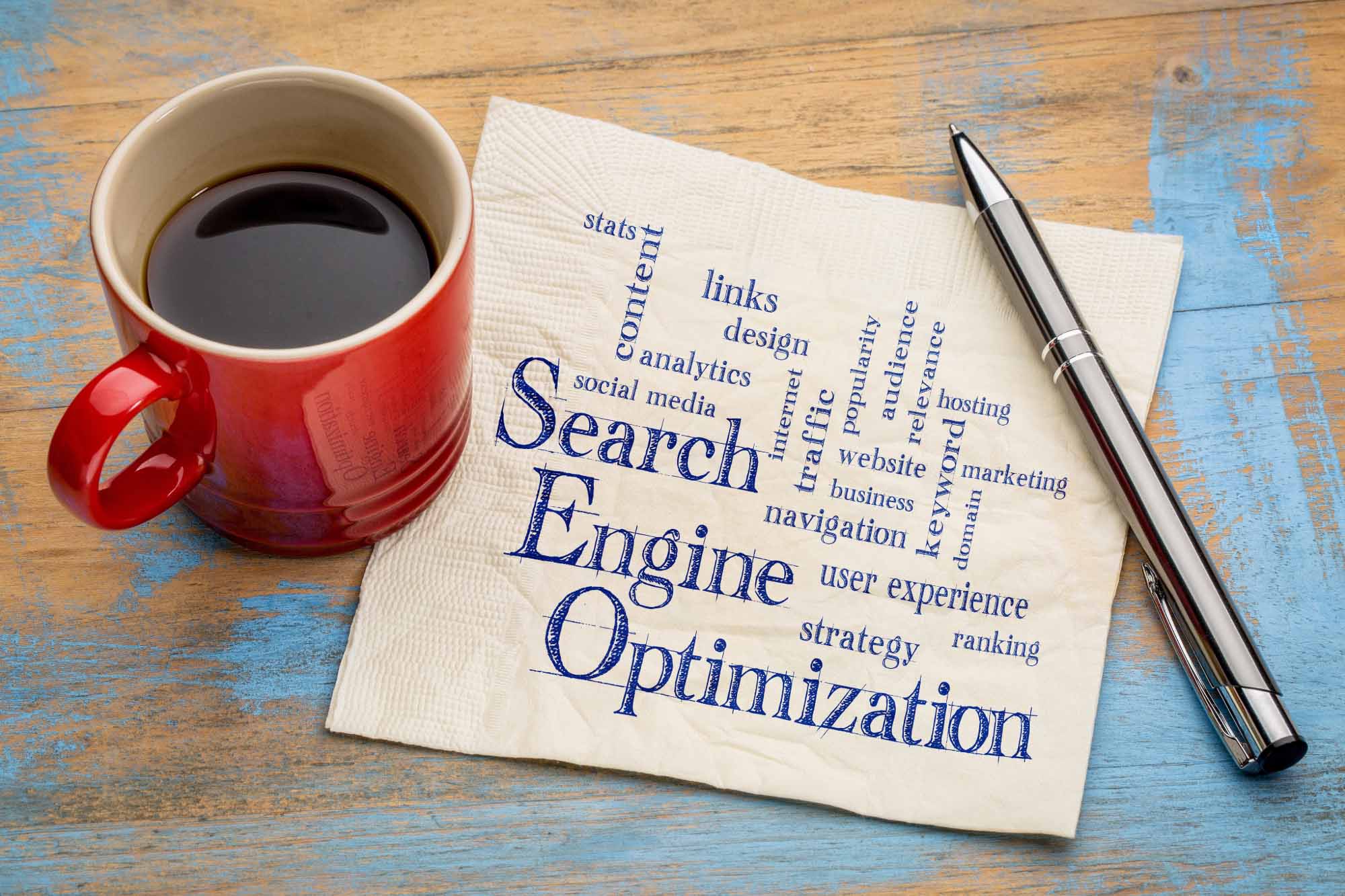
Ready to transform your SEO strategy into a powerful driver of organic growth? While search engine optimization offers incredible opportunities for business growth, even experienced marketers may overlook key elements that could amplify their success. Let’s explore how to enhance your SEO approach and unlock your website’s full potential.
1. Your Content Lacks Strategic Depth
Many businesses fall into the trap of creating surface-level content that barely scratches their audience’s pain points. Think of your content strategy as an iceberg – while keyword optimization is visible above water, the real substance lies in comprehensive, well-researched material that answers complex questions your competitors haven’t addressed.
2. Technical SEO Foundation Needs Reinforcement
Your brilliant content strategy means little if search engines struggle to crawl and index your site effectively. Common technical pitfalls include:
- Slow page loading speeds frustrating both users and search engines
- Mobile responsiveness issues frustrating smartphone users
- Broken internal links creating dead ends in the user journey
- Unoptimized images bloating your site’s performance
3. Overlooking User Experience Signals
Search engines have evolved to interpret user behavior as a ranking factor. When visitors quickly leave your site or struggle to find information, it sends negative signals about your content’s value. Consider how users navigate your site – is your content structured logically? Are important pages buried too deep in your site architecture?
4. Inconsistent Content Publishing Schedule
SEO success requires momentum. Sporadic content updates signal to search engines that your site might not be actively maintained. Establish a consistent publishing rhythm that aligns with your resource capacity while maintaining quality standards.
5. Neglecting Local SEO Opportunities
For businesses serving specific geographic areas, overlooking local SEO optimization is like turning away customers at your door. Your strategy should include:
- Optimized Google Business Profile
- Location-specific content
- Local keyword targeting
- Citations and local backlinks
6. Misaligned Keyword Strategy
Sometimes, you’re fighting the wrong battles. Targeting highly competitive keywords without building authority first is like trying to run before learning to walk. Focus on long-tail keywords and specific queries where you can provide unique value to your audience.
7. Missing Content Gaps
Your competitors might be capturing traffic you’ve overlooked. Conduct thorough topic research to identify questions your audience is asking that haven’t been adequately answered. Each gap represents an opportunity to demonstrate expertise and attract targeted traffic.
8. Weak Link Building Foundation
Quality backlinks remain crucial for SEO success, but many strategies focus on quantity over quality. Instead of chasing numbers, build relationships with industry partners and create content worthy of organic citations. Consider your link profile as your site’s professional network – quality connections matter more than the size of your contact list.
9. Ignoring Analytics Insights
Regular analysis of your SEO performance data is essential for making informed strategy decisions. Key metrics like bounce rates, time on page, and conversion paths tell the story of your content’s effectiveness. Use these insights to refine your strategy and double down on what works.
10. Impatience with Results
SEO is a long-term investment, not a quick fix. Many businesses abandon promising strategies before they have time to yield results. Remember that building sustainable search visibility requires consistent effort and periodic refinement based on performance data.
Moving Forward
Understanding these common pitfalls is your first step toward SEO success. Start by auditing your current strategy against these points. Identify your biggest opportunities for improvement and create an action plan that addresses them systematically.
Remember, successful SEO isn’t about finding shortcuts – it’s about building a robust foundation that generates sustainable organic traffic growth over time. Focus on creating genuine value for your audience, and the rankings will follow.
What’s your next step? Begin with a comprehensive audit of your current SEO strategy, focusing on these key areas. Document your findings and prioritize improvements based on potential impact and available resources.
Need expert guidance on optimizing your SEO strategy?
Our team specializes in developing data-driven approaches that deliver measurable results.
Contact us to discover how we can help transform your search visibility.