Ever feel like your marketing is driving traffic but not results? You’re not alone. Research shows that 96% of website visitors aren’t ready to buy on their first visit, yet many businesses treat every visitor as if they should convert immediately.
A well-built marketing funnel doesn’t just attract visitors. It guides them intentionally from curiosity to commitment, turning leads into loyal customers while maximizing the return on every marketing dollar you spend. In this comprehensive guide, we’ll break down how to build a marketing funnel that actually converts—and show you the steps, tools, and strategies to do it right.
What Is a Marketing Funnel, Really?
At its core, a marketing funnel maps the journey a potential customer takes from discovering your brand to making a purchase—and beyond. Think of it as a roadmap that aligns your content, messaging, and touchpoints to meet people where they are in their decision-making process.
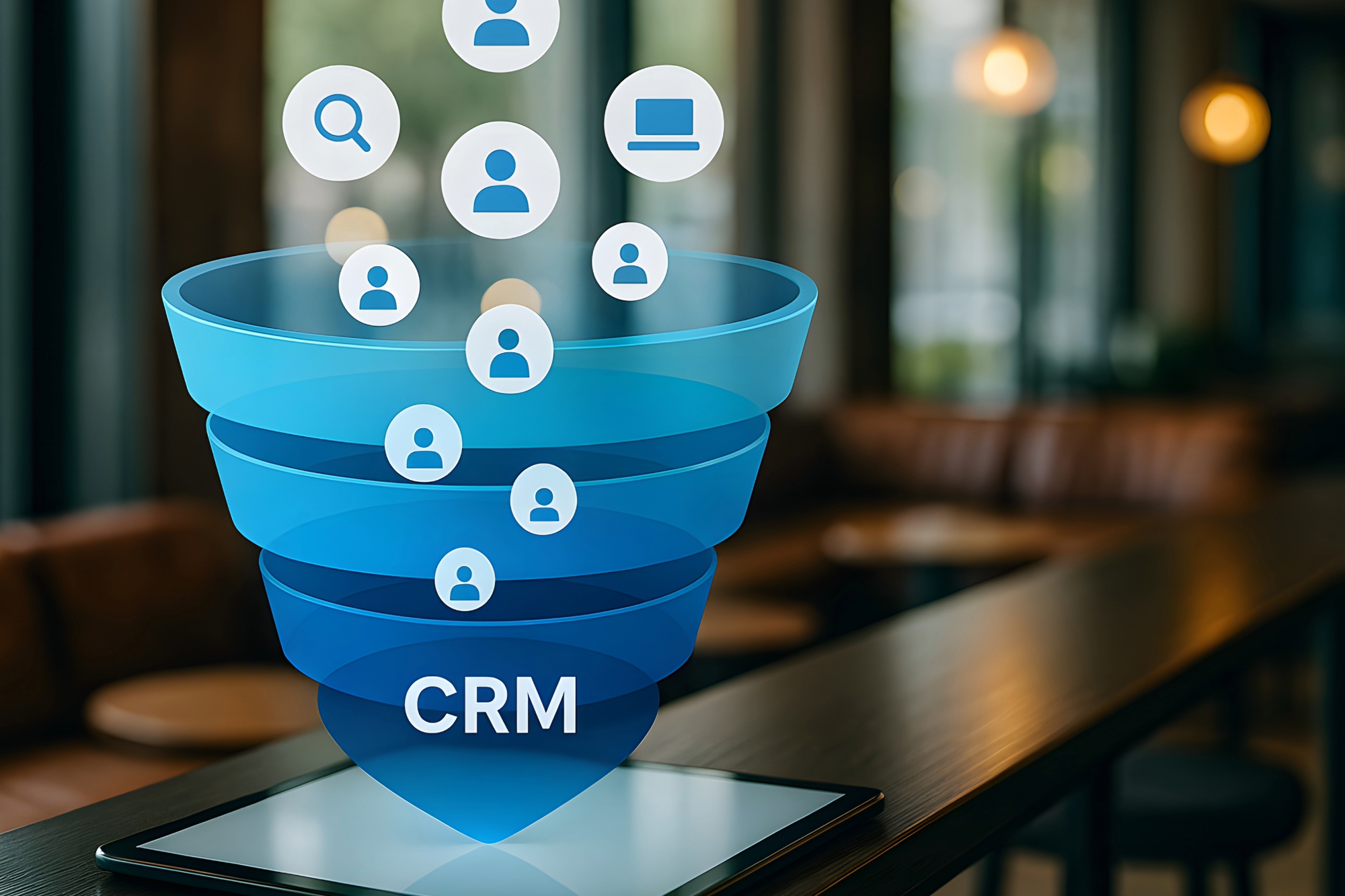
A high-performing funnel isn’t just a diagram; it’s a dynamic system that nurtures leads and drives measurable outcomes. The funnel shape represents how your audience naturally narrows at each stage—you’ll have many people in awareness, fewer in consideration, and a smaller group who actually purchase.
Why Most Funnels Fail
Before we dive into building one that works, let’s address why most funnels underperform:
- Misaligned messaging: Speaking to someone like they’re ready to buy when they’re just browsing
- Weak value propositions: Failing to clearly communicate why you’re the best choice
- Poor user experience: Friction in forms, confusing navigation, or slow load times
- Lack of follow-up: Letting warm leads go cold without proper nurturing
- No optimization: Building once and never improving based on data
Stage by Stage: Breaking Down the Funnel
1. Awareness Stage: Getting on Their Radar
This is the “hello” stage. Your goal? Get on your audience’s radar when they’re experiencing a problem you can solve. You’re not selling here—you’re showing up in search results, social feeds, and conversations as a helpful resource.
Key Mindset: Be helpful, not promotional. Answer questions, solve problems, and provide value without expecting anything in return.
Tactics That Work:
- SEO-optimized blog posts: Target long-tail keywords your customers are searching for
- Social media content: Share tips, insights, and behind-the-scenes content
- Paid ads: Use Google Ads for high-intent keywords and Facebook ads for interest-based targeting
- Guest podcasts and webinars: Establish authority in your field
- Local SEO: Optimize for “near me” searches if you serve local customers
- Content partnerships: Collaborate with complementary businesses for cross-promotion
Example: A local accounting firm might create blog posts about “Tax Deductions Small Business Owners Miss” or “How to Prepare for Tax Season” to attract business owners searching for tax help.
2. Interest Stage: Building Trust and Providing Value
Now that they know who you are, it’s time to educate and build trust. This is where you introduce substantial value—not your pricing. People need to understand their problem better before they can appreciate your solution.
Key Mindset: Educate first, sell second. Help them understand their challenges and position yourself as the expert guide.
Tactics That Work:
- Downloadable resources: Create eBooks, templates, or checklists that solve immediate problems
- Video explainers: Break down complex topics into digestible content
- Email courses: Deliver value over multiple touchpoints
- Newsletter opt-ins: Provide weekly insights and tips
- Webinars: Offer deep-dive education on relevant topics
- Free tools: Calculators, assessments, or templates that provide immediate value
Example: A web design agency might offer a “Website Conversion Audit Checklist” that helps business owners identify issues with their current site while demonstrating the agency’s expertise.
3. Consideration Stage: Standing Out from Competitors
Leads are evaluating you against competitors. Make it easy for them to choose you by clearly demonstrating your unique value and social proof.
Key Mindset: Address objections and differentiate yourself. Show, don’t just tell, why you’re the best choice.
Tactics That Work:
- Case studies: Detailed success stories with specific results
- Product comparisons: Honest comparisons showing your advantages
- Email nurturing sequences: Multi-touch campaigns that build confidence
- Retargeting ads: Stay top-of-mind with relevant messaging
- Demo videos: Show your product or service in action
- Client testimonials: Let satisfied customers tell your story
- ROI calculators: Help prospects understand the financial impact
Example: A digital marketing agency might create a case study showing how they increased a client’s leads by 300% in six months, including specific strategies and metrics.
4. Conversion Stage: Prompting Action
You’ve earned their trust. Now, prompt action. But don’t be pushy—be clear, direct, and compelling. Remove friction and make it easy to say yes.
Key Mindset: Make the next step obvious and remove any barriers to conversion.
Tactics That Work:
- Conversion-optimized landing pages: Clear headlines, compelling copy, and strong CTAs
- Free trials or consultations: Low-risk ways to experience your service
- Limited-time offers: Create urgency without being manipulative
- Testimonials and reviews: Social proof at the point of decision
- Money-back guarantees: Reduce perceived risk
- Multiple payment options: Make it easy to pay how they prefer
- Live chat support: Answer questions in real-time
Example: A business consultant might offer a “30-minute strategy session” with a clear booking calendar and testimonials from previous clients right on the landing page.
5. Loyalty & Advocacy Stage: Turning Customers into Champions
A true marketing funnel doesn’t end with a sale. Happy customers become repeat buyers and powerful advocates who refer others and provide testimonials.
Key Mindset: The sale is just the beginning of the relationship. Focus on long-term value.
Tactics That Work:
- Onboarding sequences: Ensure customers get value quickly
- Loyalty programs: Reward repeat business
- Referral incentives: Make it beneficial to refer others
- User-generated content: Encourage customers to share their experiences
- Exclusive content: Provide ongoing value to existing customers
- Customer success check-ins: Proactively ensure satisfaction
- Upselling and cross-selling: Offer additional relevant services
Example: A marketing agency might create a client portal with exclusive resources, monthly strategy sessions, and a referral program that rewards clients for successful referrals.
Know Your Audience—Really Know Them
The best funnels are built on a deep understanding of your audience. That means going beyond demographics and digging into motivations, pain points, and buying behavior. Generic messaging converts poorly because it speaks to no one specifically.
Action Steps for Audience Research:
- Create detailed buyer personas: Include demographics, psychographics, goals, challenges, and preferred communication channels
- Segment your audience: Group people based on behavior, traffic source, or lifecycle stage
- Use surveys and interviews: Ask existing customers about their buying journey
- Analyze website behavior: Use heat maps and user recordings to understand how people interact with your site
- Monitor social media: Pay attention to comments, questions, and discussions in your industry
- Study competitors: See what messaging resonates with your shared audience
Questions to Answer About Your Audience:
- What keeps them awake at night?
- What does success look like for them?
- Where do they go for information?
- What objections do they have about your solution?
- What’s their buying process like?
- Who else influences their decisions?
Tailor Content to Funnel Stages
Not all content is created equal. What works for a cold lead won’t work for someone ready to buy. Each stage requires different messaging, formats, and calls-to-action.
Top of Funnel (TOFU) Content:
Goal: Attract and educate Content Types:
- Educational blog posts that answer common questions
- Social media content that sparks interest
- Infographics that simplify complex topics
- Podcasts or videos that build authority
- SEO-optimized content that ranks in search
CTA Examples: “Download our free guide,” “Subscribe for weekly tips,” “Learn more”
Middle of Funnel (MOFU) Content:
Goal: Nurture and build trust Content Types:
- Case studies with specific results
- Webinars that provide deep value
- Email campaigns that educate over time
- Comparison guides that position your solution
- Product demonstrations
CTA Examples: “Get your free consultation,” “Request a demo,” “Download the case study”
Bottom of Funnel (BOFU) Content:
Goal: Convert and close Content Types:
- Product demos that show value
- Pricing pages that remove confusion
- Customer success stories that build confidence
- Trial offers that reduce risk
- Detailed proposals or quotes
CTA Examples: “Start your free trial,” “Schedule a call,” “Get your quote”
Pro tip: Always align your CTA with the buyer’s stage. Asking for a sale too early can kill momentum, while being too passive with ready-to-buy prospects wastes opportunities.
Always Be Optimizing (ABO)
Even the best funnels need regular tuning. Monitor how users move through your funnel and fix leaks fast. Small improvements compound over time to create significant results.
Key Metrics to Track:
Awareness Stage:
- Website traffic
- Social media reach
- Brand search volume
- Content engagement rates
Interest Stage:
- Email open rates
- Content download rates
- Time on page
- Pages per session
Consideration Stage:
- Email click-through rates
- Demo requests
- Consultation bookings
- Retargeting ad performance
Conversion Stage:
- Conversion rate
- Cost per acquisition
- Average order value
- Sales cycle length
Loyalty Stage:
- Customer lifetime value
- Referral rates
- Repeat purchase rate
- Net Promoter Score
Optimization Best Practices:
- Test one element at a time: Don’t change multiple variables simultaneously
- Use statistical significance: Ensure your results are meaningful
- Test big changes: Small tweaks yield small improvements
- Document everything: Keep track of what you’ve tested and learned
- Be patient: Give tests enough time to reach statistical significance
- Focus on high-impact areas: Optimize pages with the most traffic first
Common Optimization Opportunities:
- Headlines: Test different value propositions
- Call-to-action buttons: Try different colors, text, and placement
- Forms: Reduce fields or change the order
- Images: Test different visuals or remove them entirely
- Page layout: Try different arrangements of elements
- Email subject lines: Test different approaches to increase opens
- Landing pages: Create specific pages for different traffic sources
Common Funnel Mistakes to Avoid
Learning from others’ mistakes can save you time and money:
1. Focusing Only on Top-of-Funnel
Many businesses obsess over traffic without optimizing for conversion. Balance awareness efforts with conversion optimization.
2. Neglecting Mobile Users
Over 50% of web traffic comes from mobile devices. Ensure your funnel works seamlessly on all devices.
3. Making Forms Too Complex
Every additional form field reduces conversions. Ask for only the information you absolutely need.
4. Ignoring Page Load Speed
Slow-loading pages kill conversions. Aim for load times under 3 seconds.
5. Weak Follow-Up
Most sales happen after multiple touchpoints. Create systematic follow-up sequences.
6. Generic Messaging
Broad, generic messages don’t convert. Speak directly to specific audience segments.
Advanced Funnel Strategies
Once you’ve mastered the basics, consider these advanced tactics:
1. Multi-Channel Funnels
Create consistent experiences across email, social media, paid ads, and your website.
2. Dynamic Content
Show different content based on user behavior, location, or source.
3. Predictive Analytics
Use data to predict which leads are most likely to convert and prioritize accordingly.
4. Marketing Automation
Set up triggers that automatically send relevant content based on user actions.
5. Account-Based Marketing
For B2B companies, create personalized funnels for high-value prospects.
Measuring Funnel Success
Your funnel’s success should be measured by business outcomes, not just vanity metrics:
Key Performance Indicators:
- Cost per acquisition: How much you spend to acquire each customer
- Customer lifetime value: Total revenue from each customer relationship
- Return on ad spend: Revenue generated per dollar spent on advertising
- Conversion rate: Percentage of visitors who complete desired actions
- Sales cycle length: Time from first contact to purchase
Setting Up Tracking:
- Install tracking codes: Google Analytics, Facebook Pixel, etc.
- Set up conversion goals: Define what actions matter most
- Create dashboards: Monitor key metrics in real-time
- Regular reporting: Review performance weekly or monthly
- Attribution modeling: Understand which touchpoints drive conversions
Final Thoughts
Building a marketing funnel that converts isn’t about throwing more ads into the void. It’s about crafting intentional paths that guide your audience with clarity and value at every step.
Remember these key principles:
- Start with deep audience understanding
- Tailor your message to each funnel stage
- Use the right tools to automate and optimize
- Never stop testing and improving
- Focus on long-term customer relationships, not just quick sales
The most successful funnels are those that provide genuine value while guiding prospects toward a mutually beneficial relationship. When you focus on helping people solve their problems, the sales will follow naturally.
Start with your audience, tailor your message at every stage, use the right tools, and never stop refining. Your funnel is a living system that should evolve with your business and your customers’ needs.
Ready to build a funnel that actually converts? Start with one stage, perfect it, then expand. The key is to begin with a solid foundation and build systematically.
Want to make sure your marketing funnel is firing on all cylinders? Book a strategy call with our team to get personalized recommendations for your business.